

College History
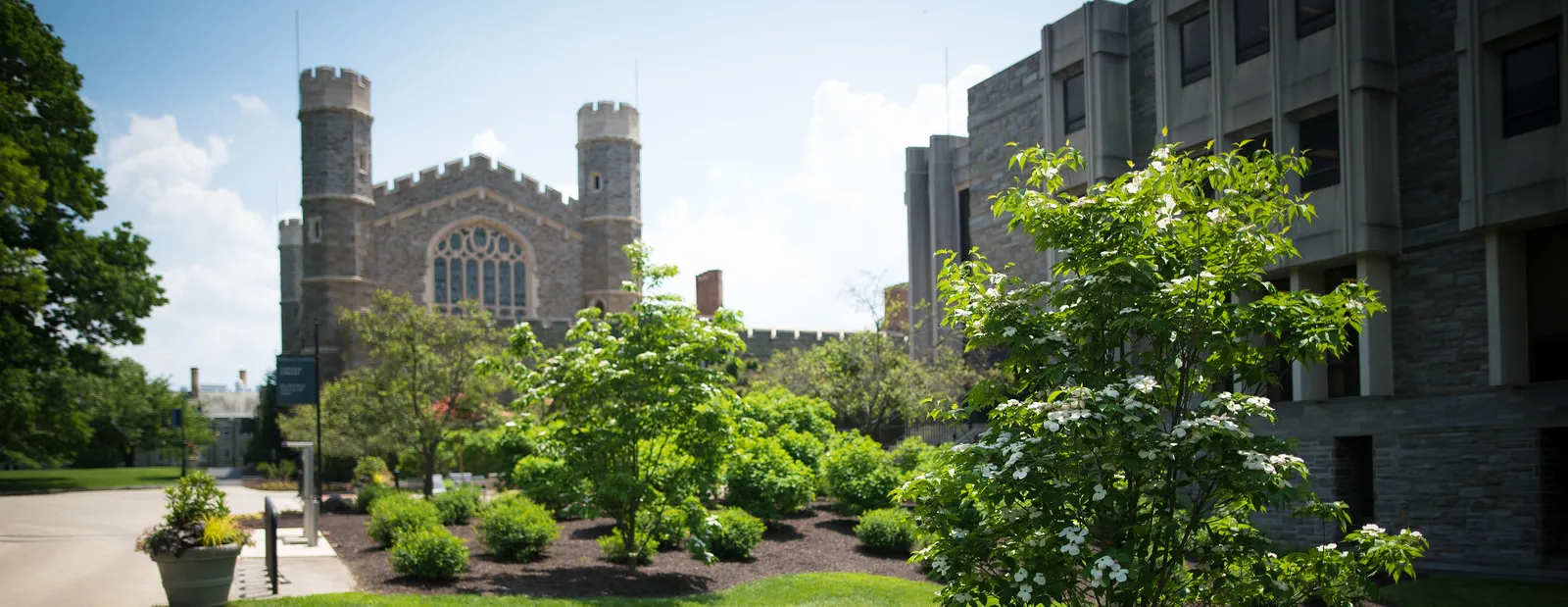
Since its founding in 1885, Bryn Mawr has expanded access to rigorous higher education and empowered generations of students through academic excellence, intellectual inquiry, research, and leadership. Its history reflects both remarkable achievements and an ongoing commitment to learning from the past while shaping the future.
College Founding
Bryn Mawr was founded to provide women with an education as rigorous as any available at the time.
From the beginning, the College emphasized scholarship, independent thinking, and opportunities for advanced study, setting a new standard for higher education.
A Legacy of Impact

Academic Excellence
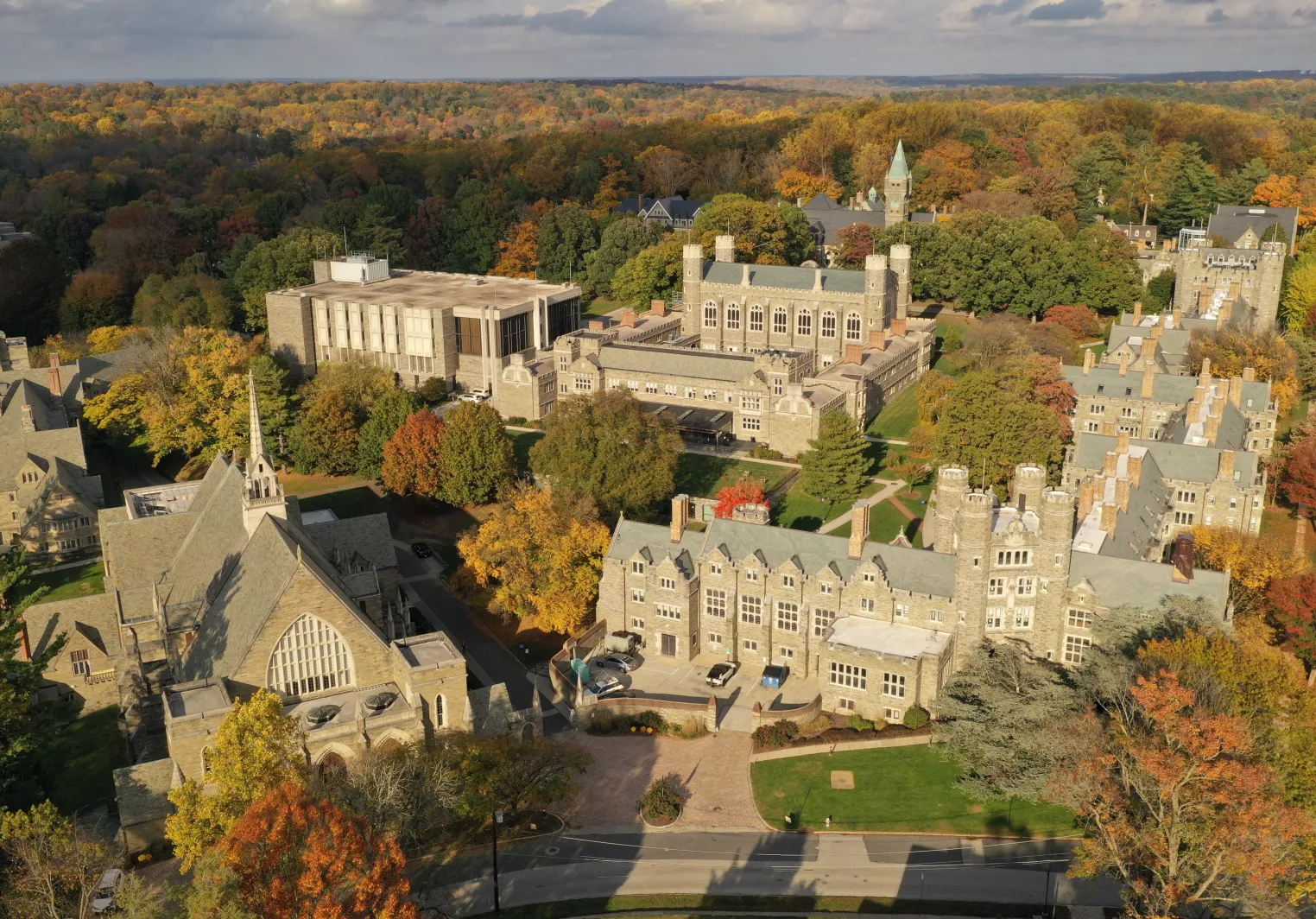
Bryn Mawr has a long history of advancing scholarship and research. The College was the first women's college in the United States to offer the Ph.D., and today continues this tradition through rigorous academics, close faculty mentorship, and interdisciplinary learning.
Alumnae/i Impact
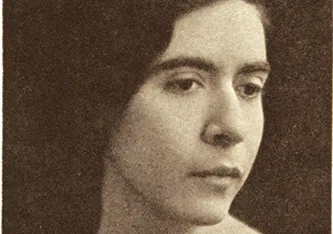
Bryn Mawr graduates have made lasting contributions across science, education, public service, and the arts. Alumnae/i such as Nobel Peace Prize recipient Emily Balch, educator Ume Tsuda, and microbiologist Enid Cook have helped advance knowledge, expand opportunities, and make an impact around the world.
Student Leadership
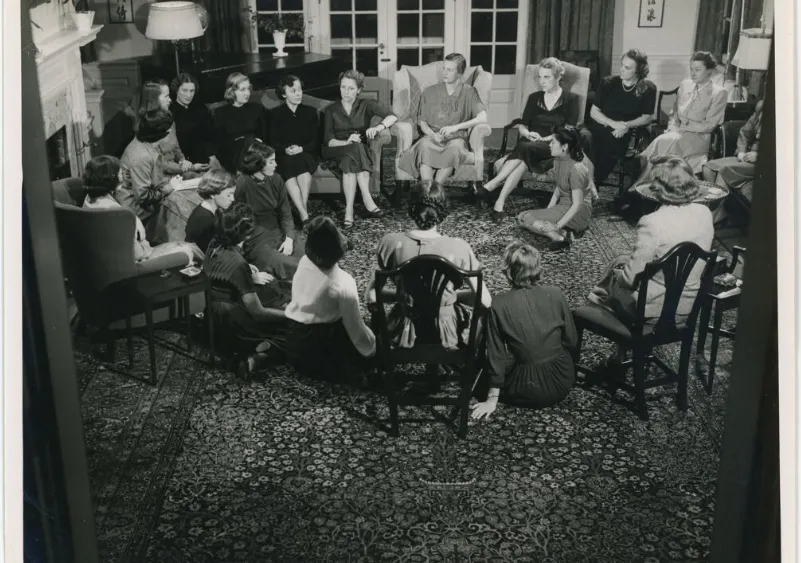
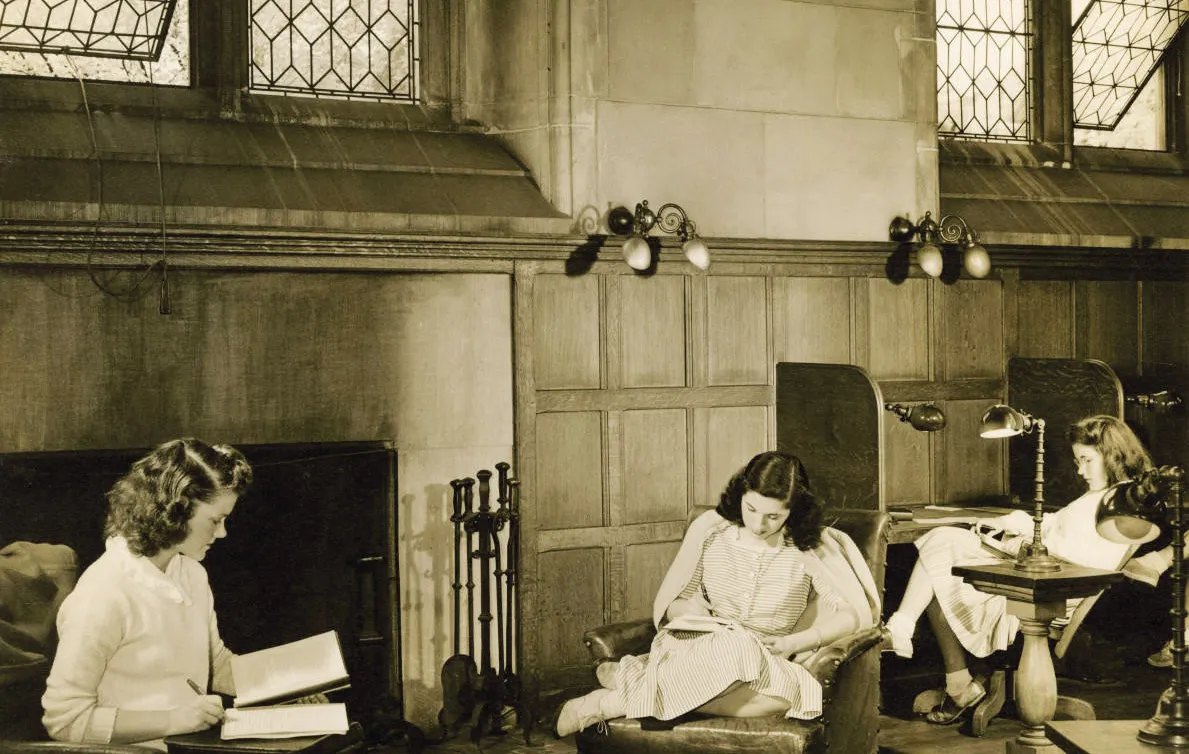
Student leadership has been central to the Bryn Mawr experience since the College's founding. In 1891, Bryn Mawr became the first college in the country to establish a student self-government association, a tradition that continues through the Honor Code and a commitment to shared responsibility.
From Quaker College Roots
Although Bryn Mawr has been non-denominational for most of its history, the College was founded by members of the Religious Society of Friends (Quakers). That legacy continues through Bryn Mawr's commitment to intellectual freedom, social responsibility, and principled leadership.
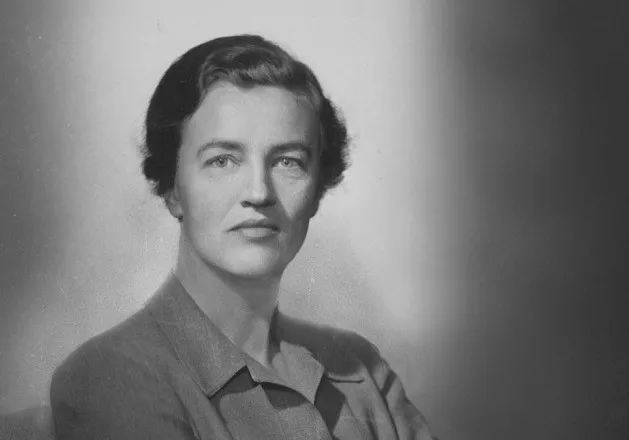
During the McCarthy era and the Vietnam War, President Katherine McBride defended freedom of belief and conscience, even at a financial cost to the College. Bryn Mawr's commitment to social justice also shaped initiatives like the Graduate School of Social Work and Social Research, one of the first in the United States, and continues through student engagement in community service and advocacy today.
Reckoning and Repair Efforts
The College's principal architect was the College’s first dean and second president, M. Carey Thomas, who became an influential national advocate for women’s advancement. Like some who were part of the Progressive Movement, however, Thomas embraced and contributed to the eugenics movement, and her vision for Bryn Mawr and for women excluded African Americans and reflected ethnic and anti-Semitic bias.
The College continues to grapple with this complex legacy and the harms that resulted, and has made advancing equity and inclusion central to its mission and its vision of institutional excellence. Bryn Mawr strives to build a welcoming community for all while we gain insights from our history. The following ongoing projects seek to create change where it is most needed.
Ongoing Projects
Related Links
FAQs
Bryn Mawr College was founded in 1885 to provide women with access to a rigorous higher education at a time when few comparable opportunities existed. From its earliest years, the College emphasized scholarship, independent inquiry, and advanced study.
Bryn Mawr has played an important role in the history of higher education, including becoming the first women's college in the United States to offer the Ph.D. The College has also been a leader in student self-governance, academic research, and preparing graduates to make meaningful contributions across many fields.
Although Bryn Mawr has been non-denominational for most of its history, it was founded by members of the Religious Society of Friends (Quakers). That heritage continues to influence the College's commitment to intellectual freedom, social responsibility, and principled leadership.
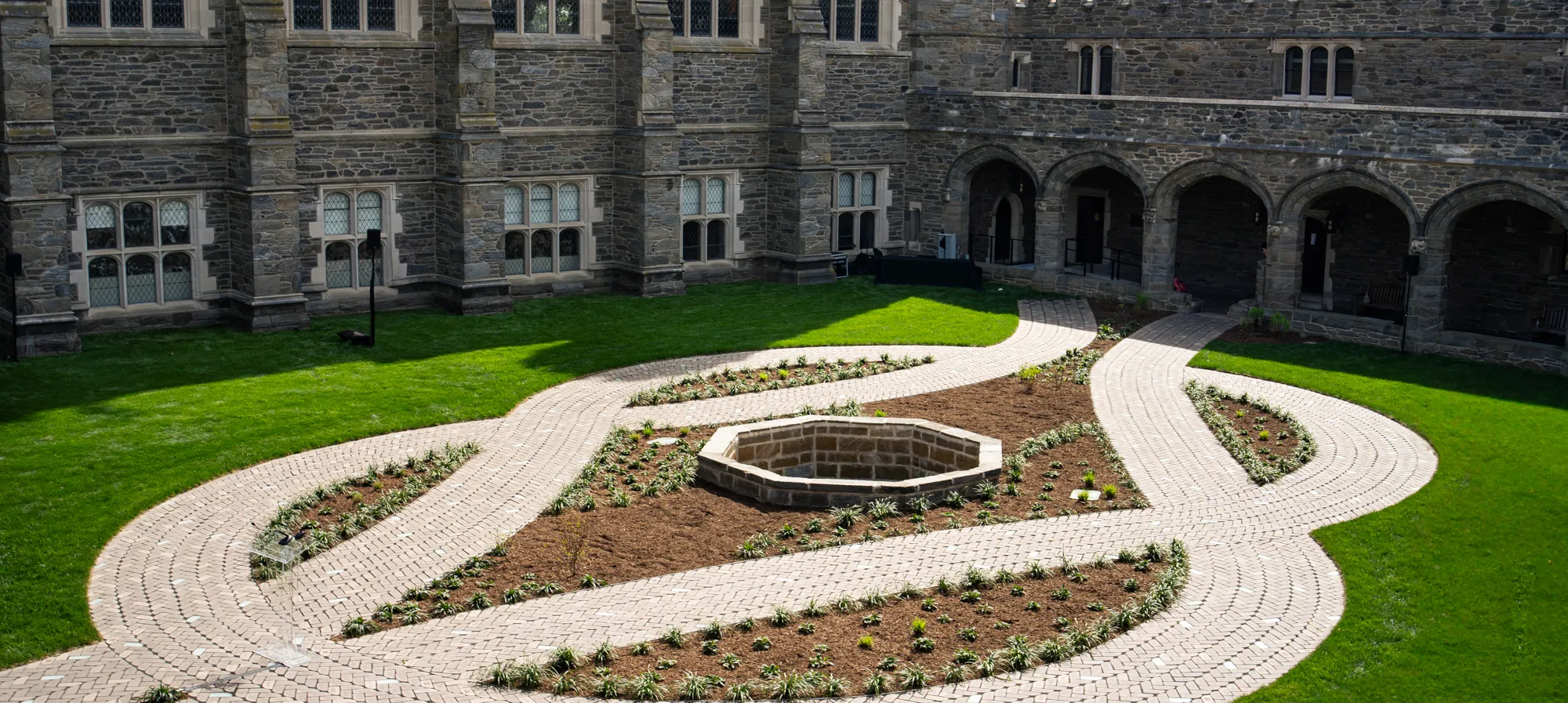
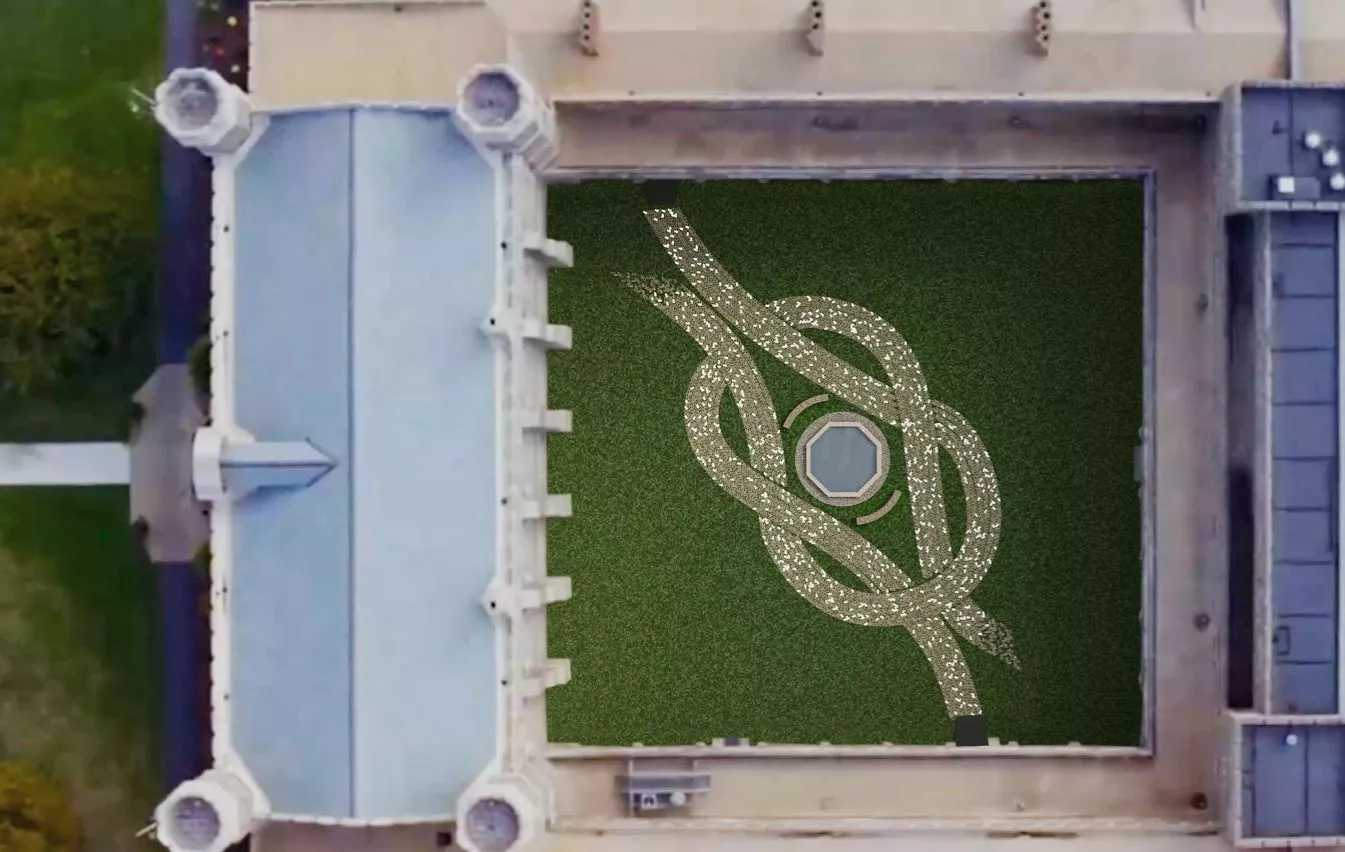
Bryn Mawr continues to examine its history through initiatives that uncover overlooked stories, acknowledge past harms, and foster a more equitable and inclusive future. Ongoing projects include archival research, campus exhibits, public art initiatives, and efforts to recognize the contributions of historically underrepresented members of the Bryn Mawr community.
The Bryn Mawr College Archives, digital collections, and campus exhibits preserve the stories of the College's students, faculty, staff, and alumnae/i. Visitors can also explore related pages on College traditions, distinguished alumnae/i, and Reckoning & Repair initiatives.