

Summer Science Research
Our Summer Science Research Program provides students with funded, full-time summer research opportunities alongside STEM faculty.
Why Research at Bryn Mawr
Research is a core part of studying science at Bryn Mawr. Through our Summer Science Research Program, students spend 10 weeks working with STEM faculty on independent research projects through a funded summer experience.
Students work closely with STEM faculty and apply what they learn in the classroom to real research. These experiences prepare students for graduate study, research careers, and many other STEM paths.
Summer Research at a Glance
Paid Research
$5000 Stipend (before taxes)
10 Weeks
Full-time research and professional development
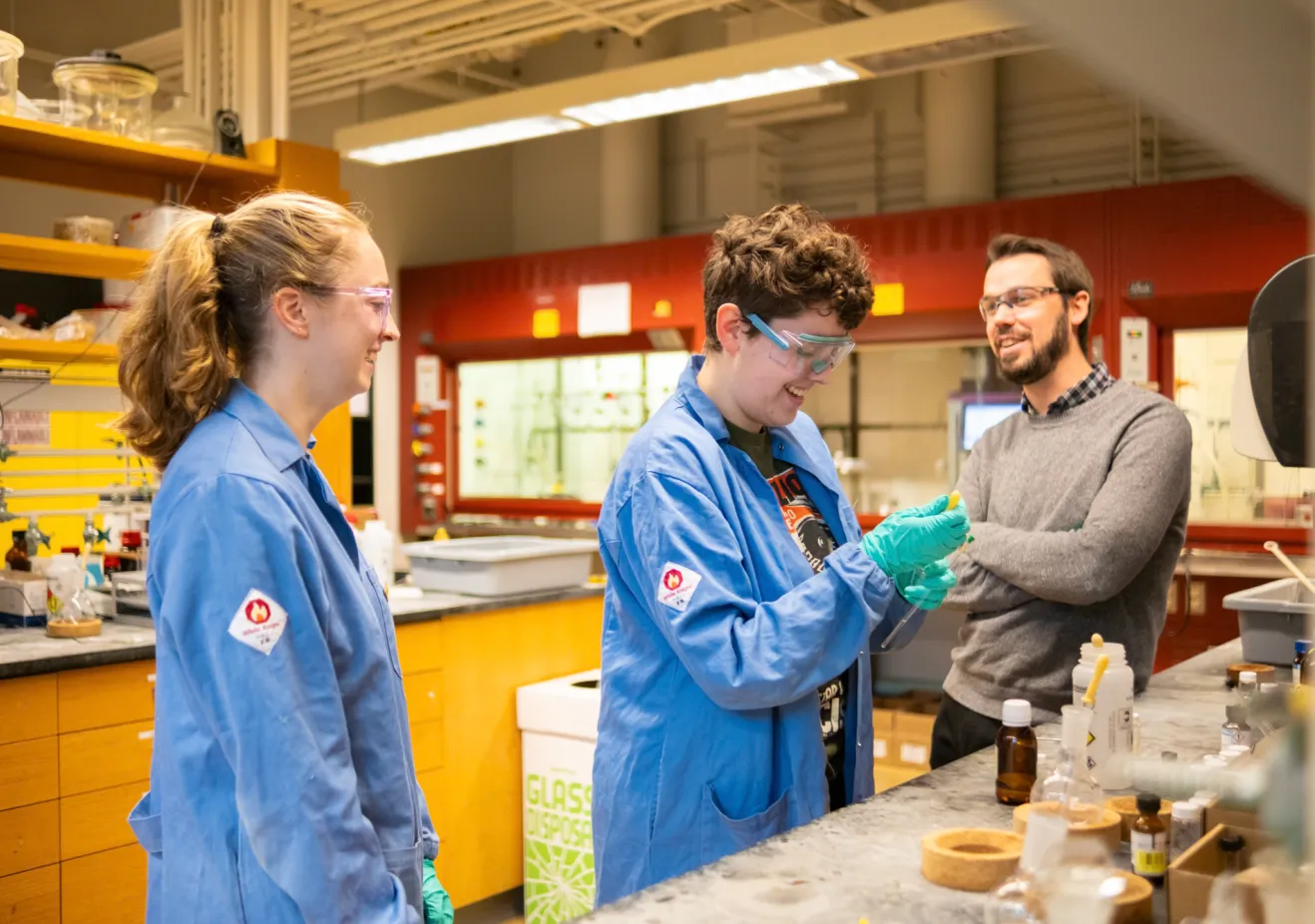
Faculty Mentorship
Work alongside STEM professors
What You'll Experience
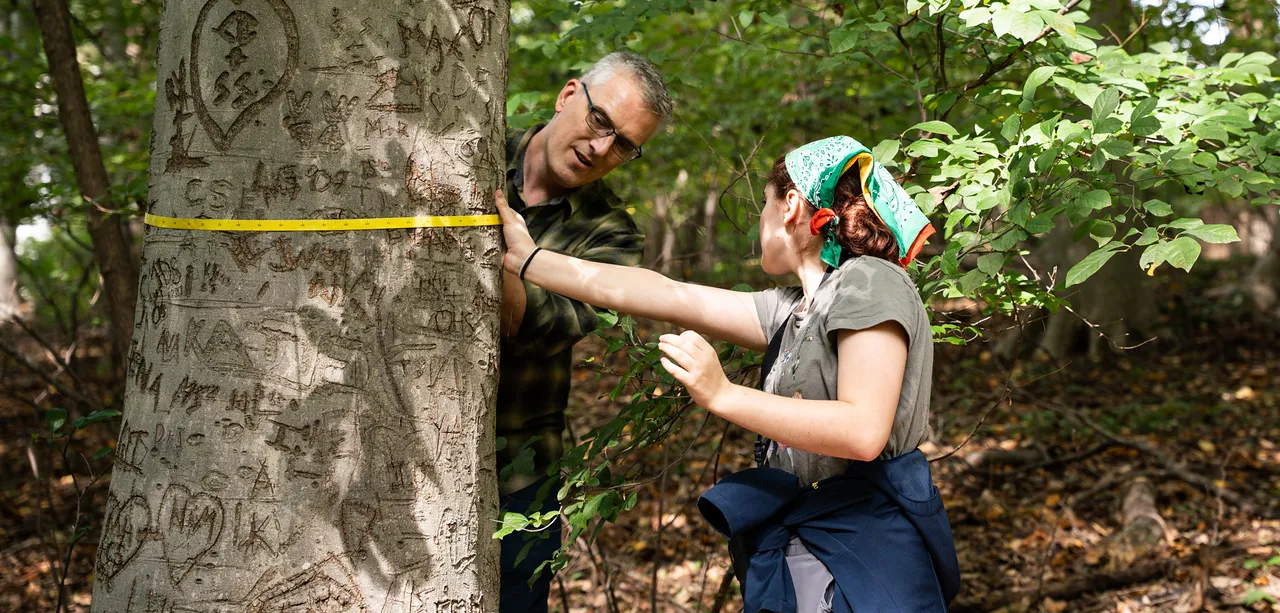
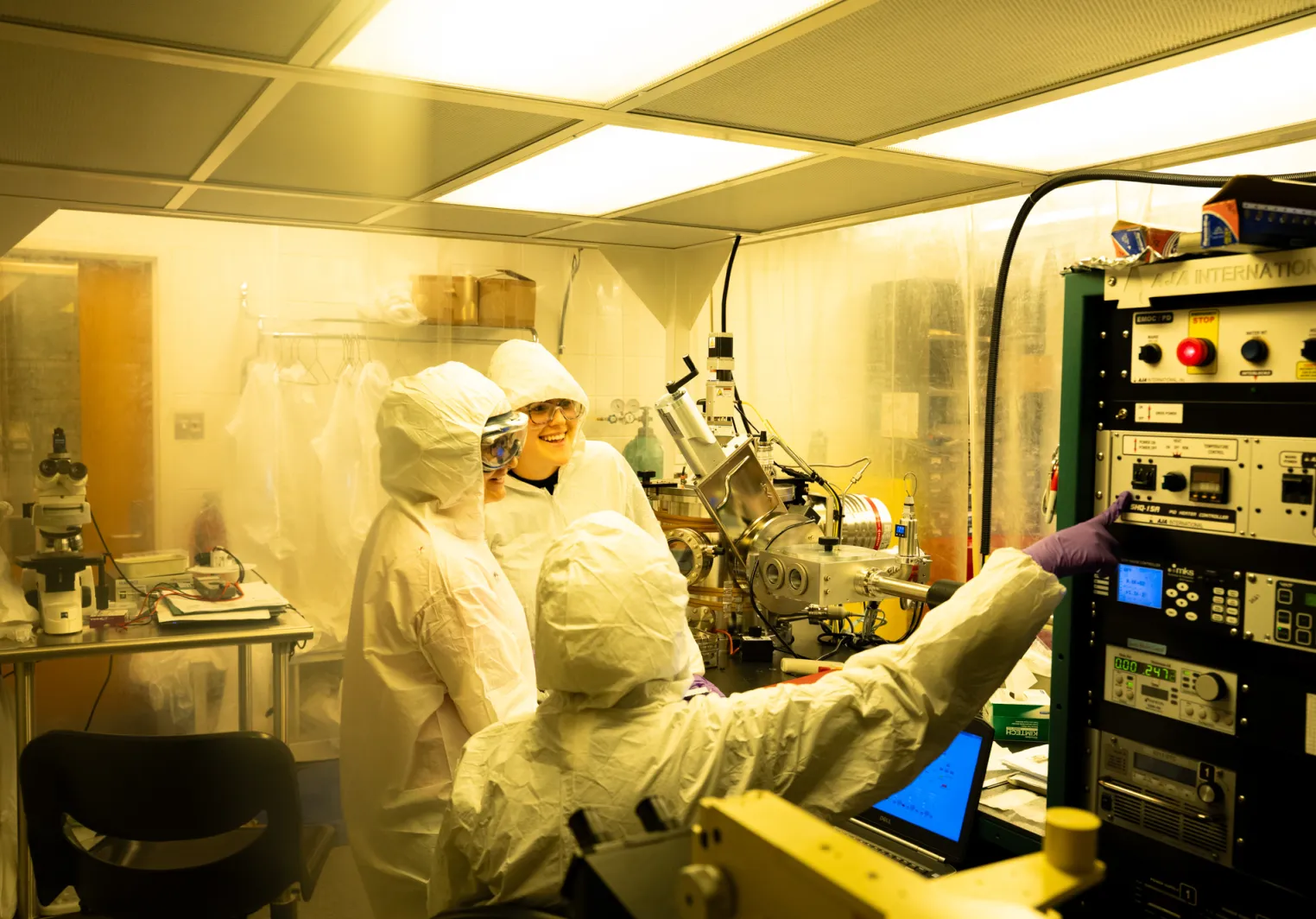
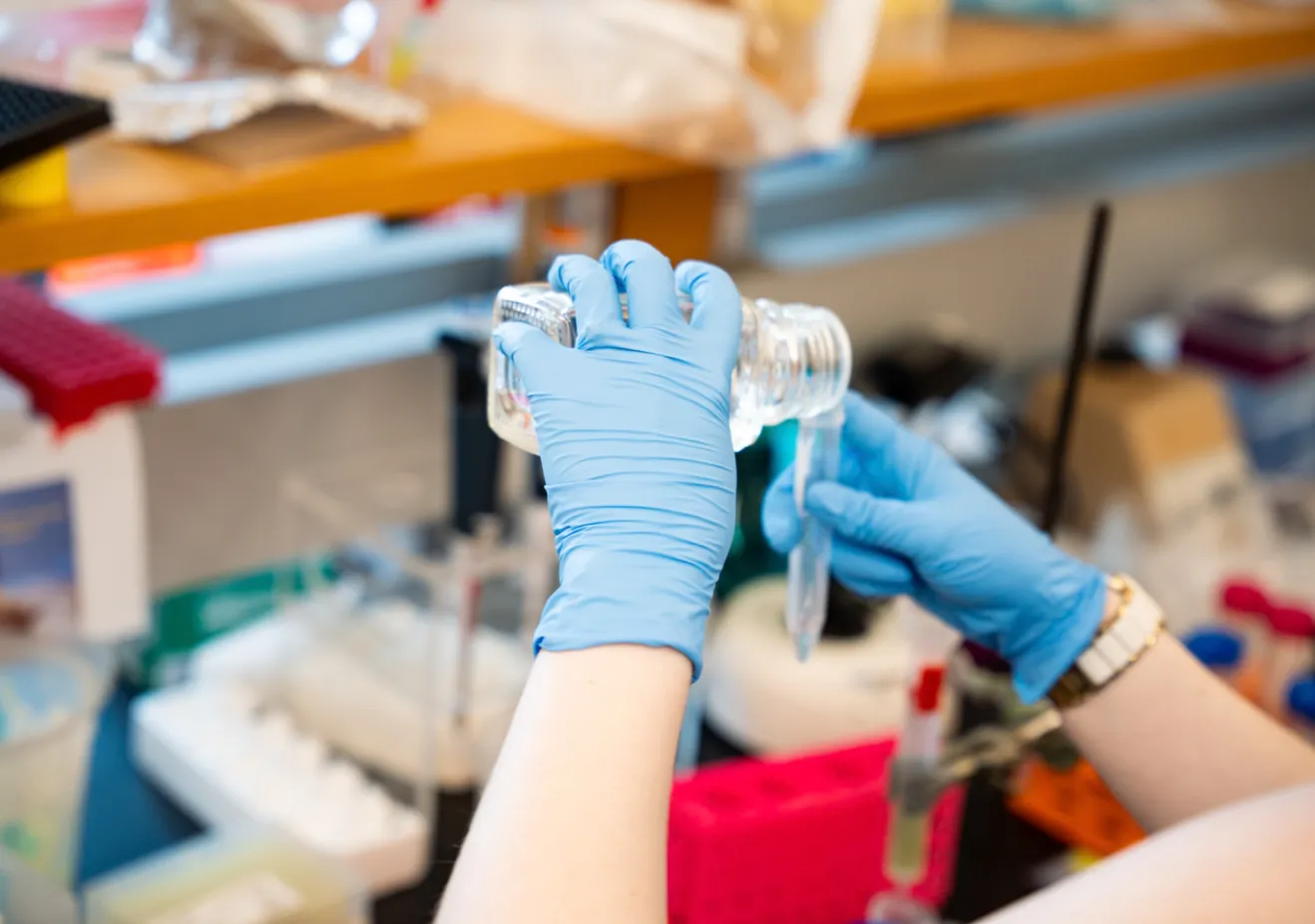
As a Summer Science Research participant, you'll spend 10 weeks working on a faculty-led research project in the laboratory or field. You'll collect and analyze data, meet regularly with your faculty mentor, and work alongside other student researchers.
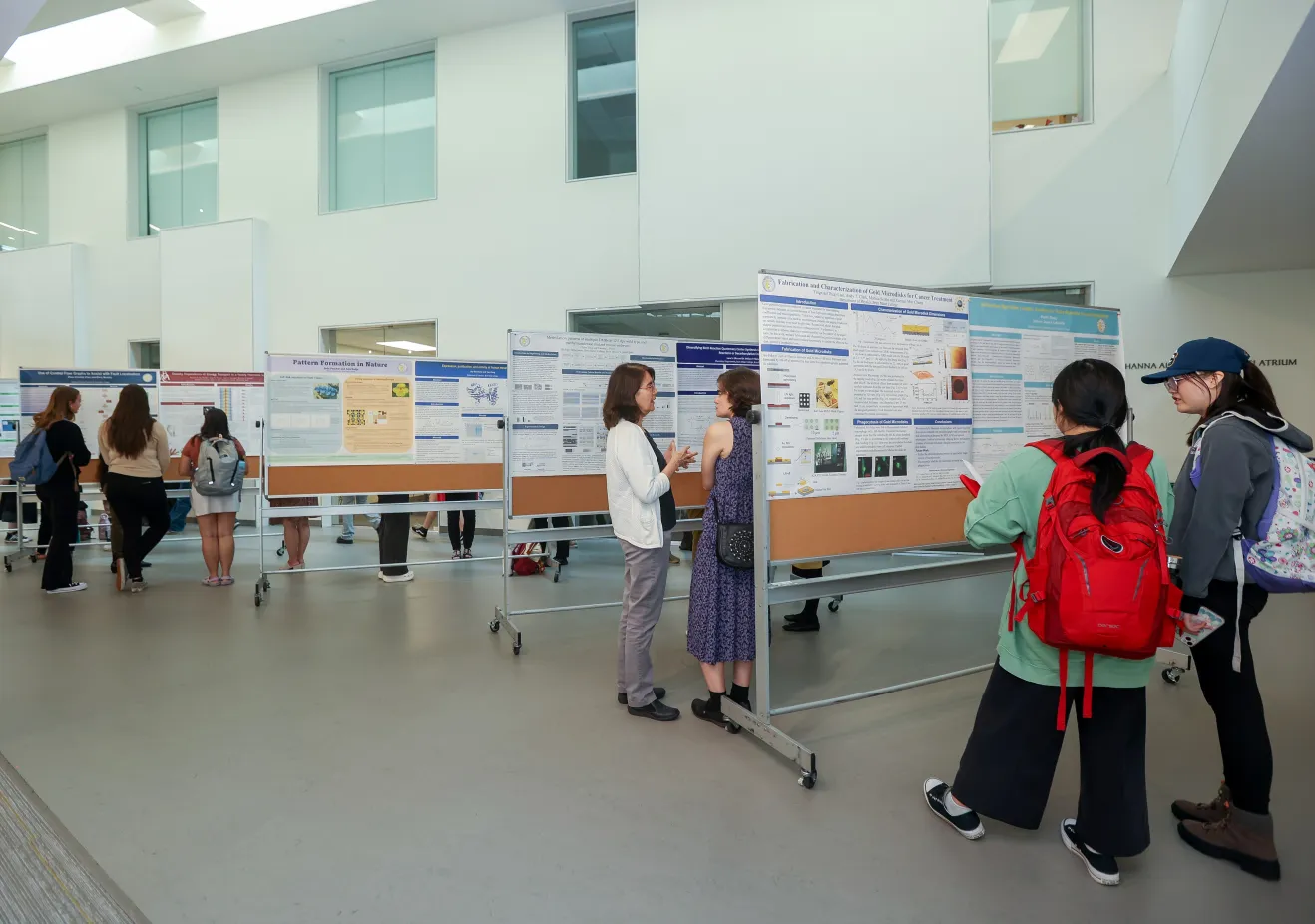
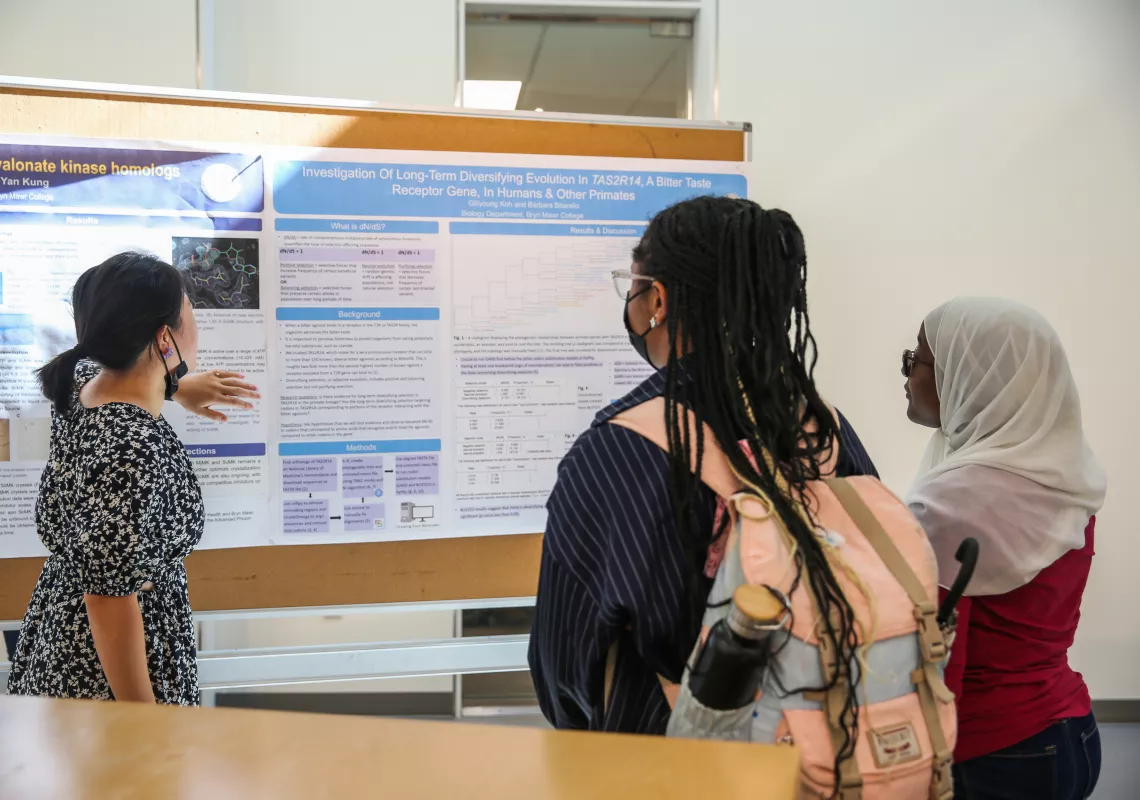
In addition to your research, you'll take part in professional development workshops and present your work at the Summer Science Research Poster Session at the end of the program.
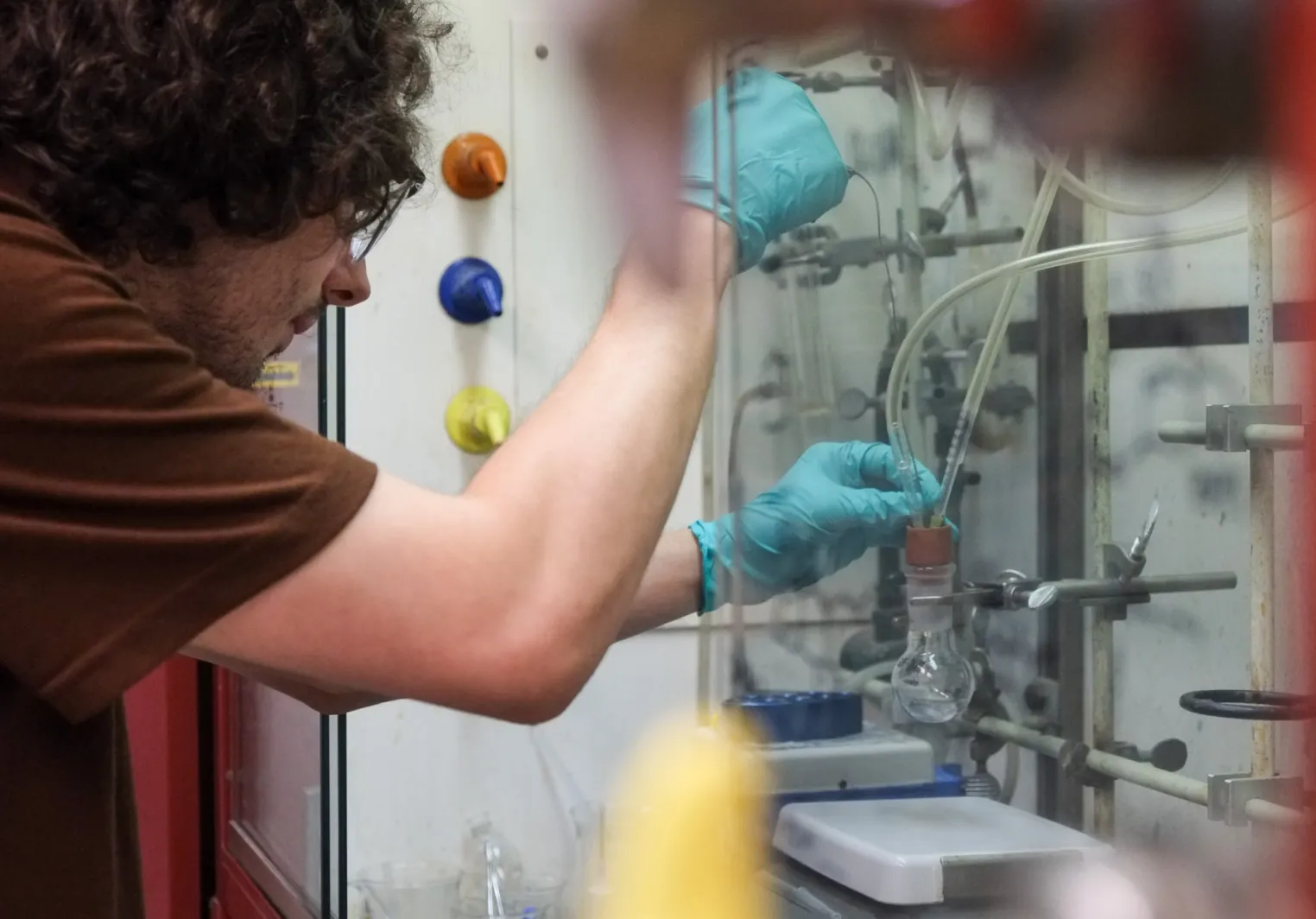
Inside the Research Symposium
Sharing your research is an important part of the scientific process. It gives you the opportunity to communicate your findings, answer questions, and learn from other researchers.
Watch highlights from a past symposium to see how students showcase their work and celebrate a summer of discovery.
Current Summer Research Topics
Students conduct research across STEM disciplines, with projects changing each year based on faculty expertise and ongoing research. Take a look at what types of research students have been working on lately.
Explore research across genetics, neuroscience, ecology, evolution, microbiology, and environmental biology. Students are working alongside faculty to investigate topics ranging from neurodegenerative diseases and gene regulation to climate change, wetlands, insect behavior, and biodiversity.
Conduct research in areas such as sustainable energy, medicinal chemistry, nanomaterials, and organic synthesis. Students and their mentors are working to develop new materials, design potential drug compounds, improve battery and solar technologies, and investigate the chemistry behind biological systems.
Delve into research in artificial intelligence, software engineering, cybersecurity, programming languages, and human-computer interaction. Students are collaborating with faculty to develop intelligent systems, improve software tools, strengthen digital security, and create innovative technologies that solve real-world problems.
Investigate Earth's past, present, and future through research in climate change, coastal resilience, geochemistry, tectonics, and paleoenvironments. Students are working with faculty to study ancient mass extinctions, natural resources, sea-level rise, water quality, and the processes that shape our planet.
Apply mathematical theory and statistical analysis to real-world questions in finance, economics, public policy, sports analytics, and data science. Students and faculty are working to develop mathematical models, analyze complex datasets, and explore both theoretical and applied mathematics.
Explore research in quantum science, materials physics, plasma and space physics, optics, and biophysics. Current researchers are investigating the fundamental questions about matter, energy, and the universe while developing advanced experimental and computational techniques.
Examine research in cognition, mental health, child development, and social behavior. Students are using experimental methods, surveys, eye-tracking, EEG, and statistical modeling to investigate topics including emotional regulation, childhood experiences, curiosity, decision-making, moral reasoning, neurocognition, and the impact of culture and identity on psychological well-being.
Summer Research Highlights
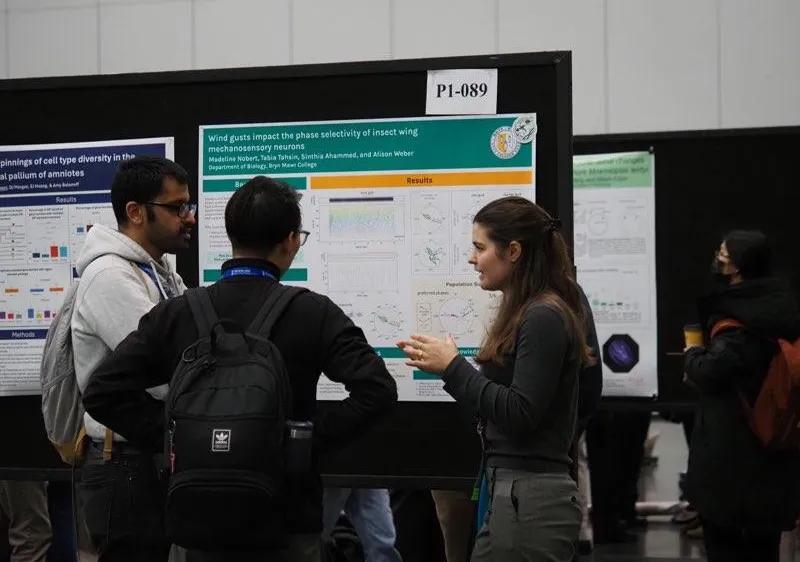
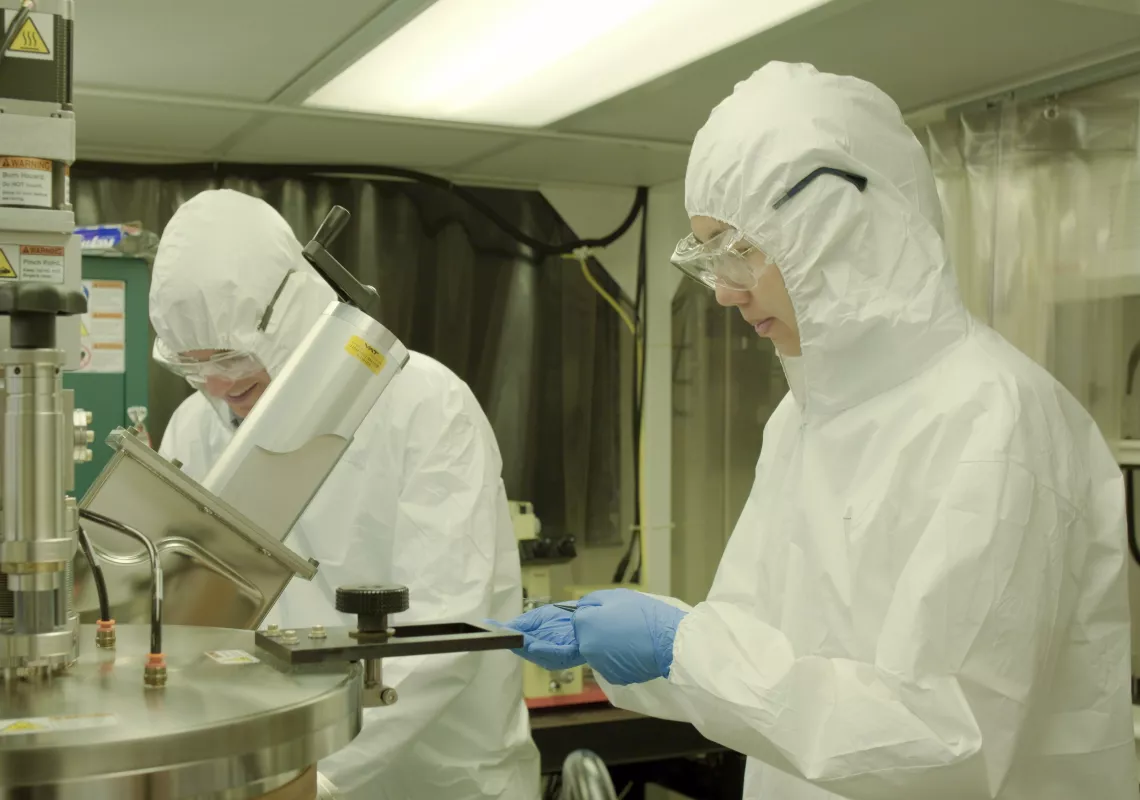
Summer Science at Bryn Mawr: Fighting Cancer with Nano Technology
Where Alumni Researchers Are Now

Related Links
Acknowledgements of Financial Support
The College gratefully acknowledges the financial support for undergraduate research provided by:
- Ann Lutes Johnson Fund
- Carlos Nathaniel Vicens and Maria Teresa Joglar de Vicens Fund
- GlaxoSmithKline
- Helen Louise Robinson '66 Fund for the Biological Sciences
- Howard Hughes Medical Institute
- Merck
- National Institutes of Health
- National Science Foundation
- Office of the Undergraduate Dean
- Panaphil Foundation
- Robert Conner Undergraduate Biology Fellowship Fund
- Bob and Audrey Conner Fund
- Sally Wood Mallory Class of 1959 Fund for Chemistry
Summer Research Program FAQs
All science majors are encouraged to conduct mentored research projects during the summer and/or academic year. The Summer Science Research (SSR) program is open to currently enrolled Bryn Mawr and Haverford students, including students studying abroad during the spring semester who remain actively enrolled. Students must return as enrolled students in the fall following the program to remain eligible. First-year students are encouraged to apply, though research opportunities and prerequisites vary by faculty mentor.
Yes, students can apply for stipends for summer research and academic credit for research performed in the junior and senior years.
Projects span the sciences and are completed with faculty mentors. Explore past research projects to see what students have done prior.
No, many students do not have prior research experience. Requirements vary; anyone interested is encouraged to explore opportunities with faculty.
Participants receive a $5,000 stipend (before taxes) for the 10-week program that is meant to be used as the cost of living for the summer.
At the end of the program, students have the opportunity to share their research at a poster session.