

360° Stories
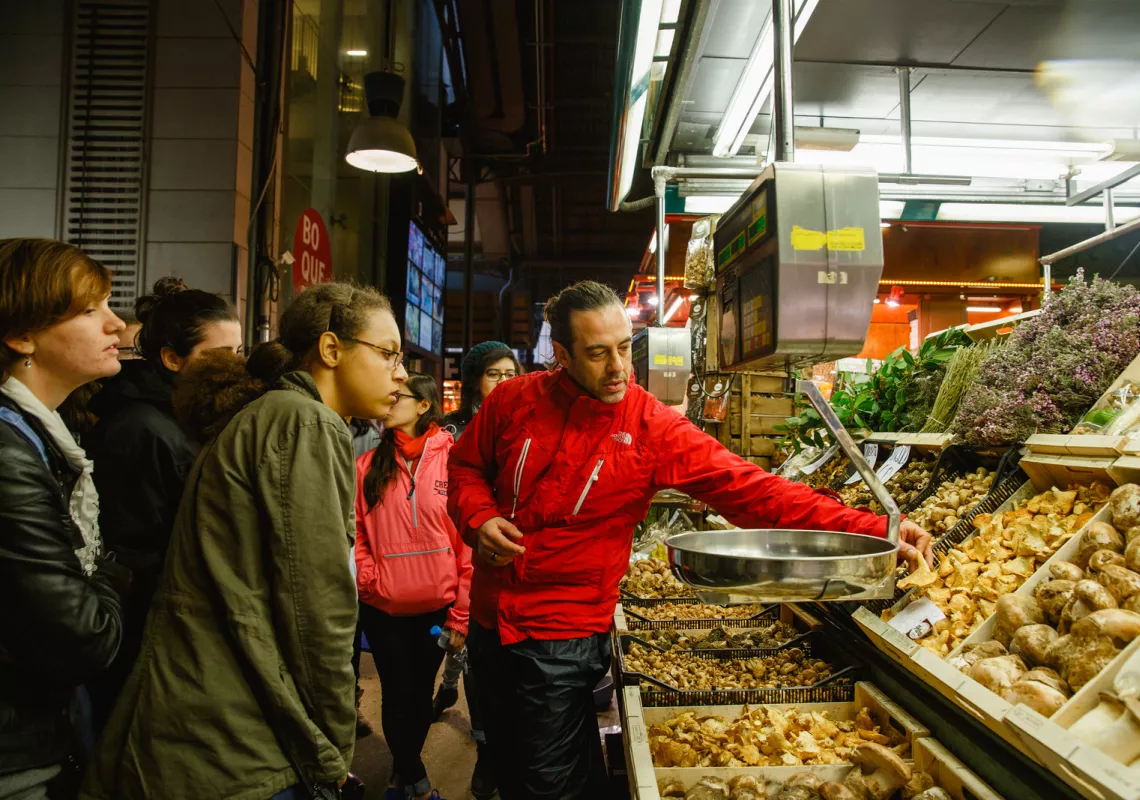
360°: Food and Communication
This cluster focuses on the idea that food is a medium, a cultural vehicle that transports and is transportable and transportive.
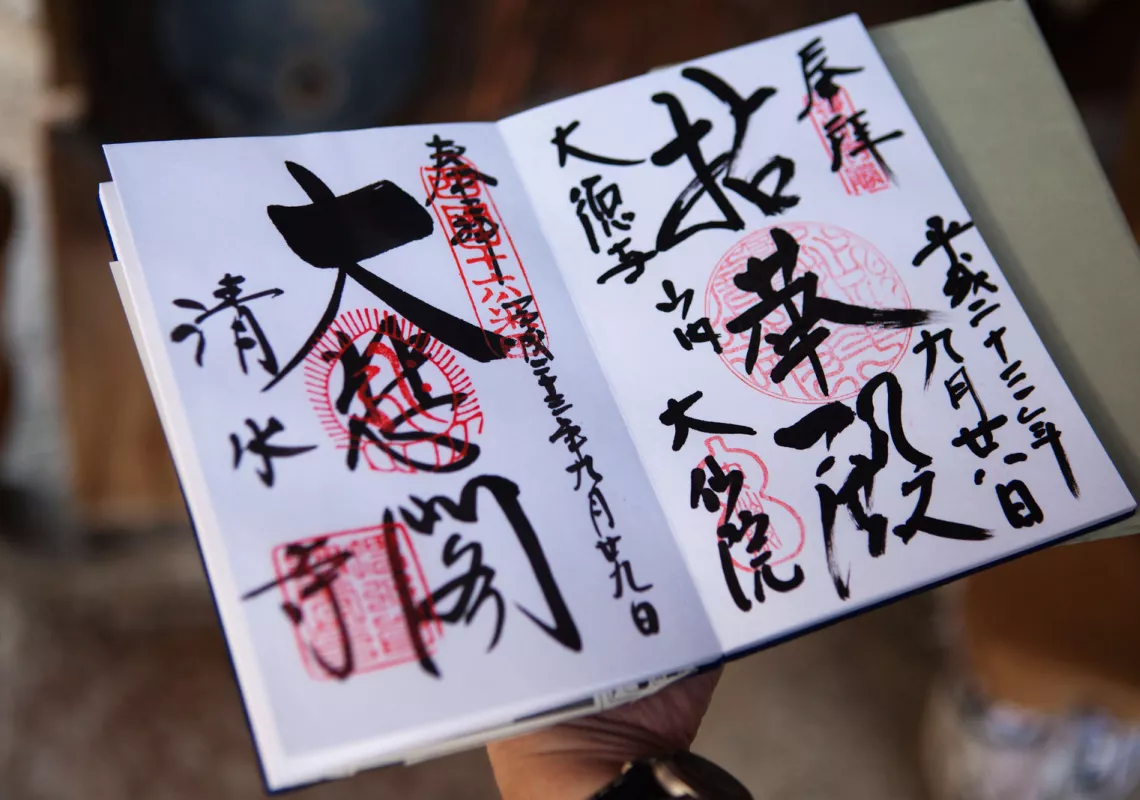
360°: Contemplative Traditions
This 360°, taught by professors of chemistry, psychology, and East Asian Languages and Cultures (formerly East Asian Studies), examined the history, science and practice of meditation and other mindful practices.
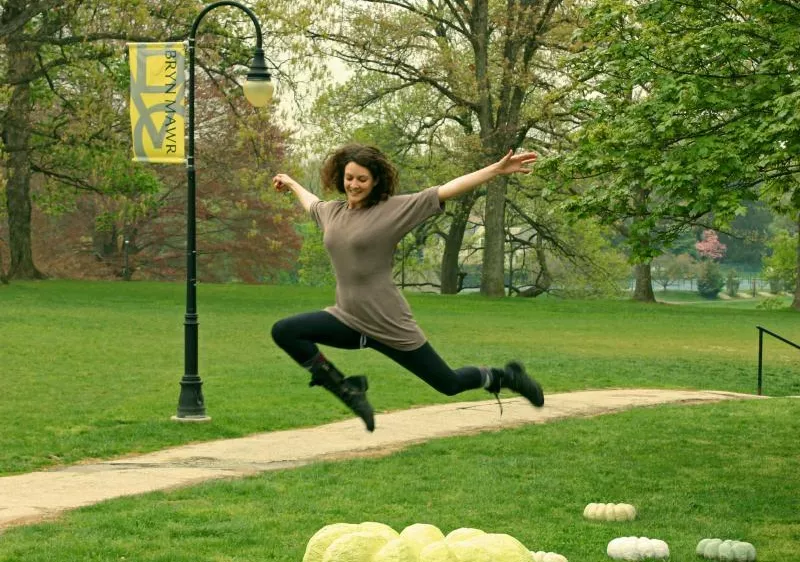
360°: Eco-Literacy
This Eco-Literacy 360° cluster considers our participation in the environment from the perspectives of economics, education, and various forms of literary and visual expression. Our goal is to develop a vocabulary for thinking, feeling and talking about the ways in which the places we live affect each of us, and how each of us affects the places we live.
360°: Learning and Narrating Childhoods
Incorporating a visit to the Titagya school in rural Ghana, this 360° explores how children grow and develop in different contexts (e.g. schools, communities, households) and cultures (e.g., the United States, West Africa, Sub-Saharan Africa) and how this growth and development is conceptualized and represented–in texts and theories–mainly by adults, across cultures and fields of study.
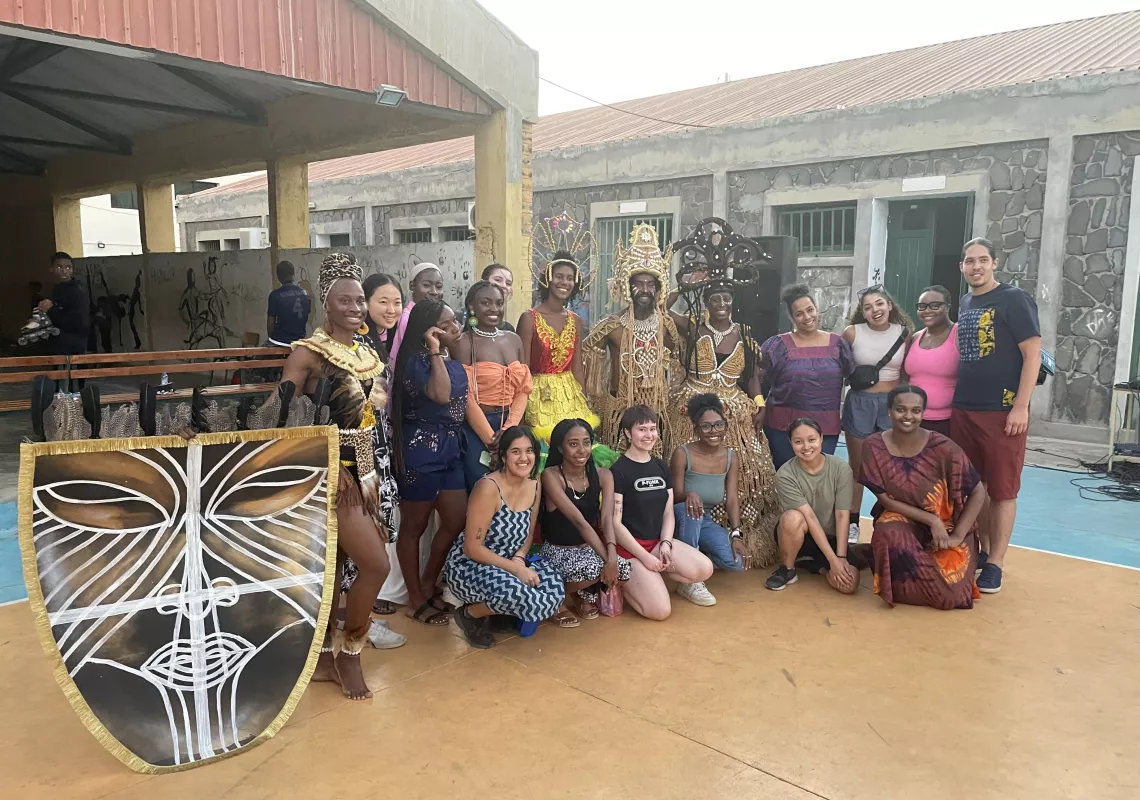
360°: Paradigms of Revival
In a fundamentally decolonial spirit, this course cluster examines the ways colonialism has contained, collected, captured, and commodified Blackness, a practice that circulates objectified images of the peoples, cultures, and cultural objects of Africa and the African Diaspora.
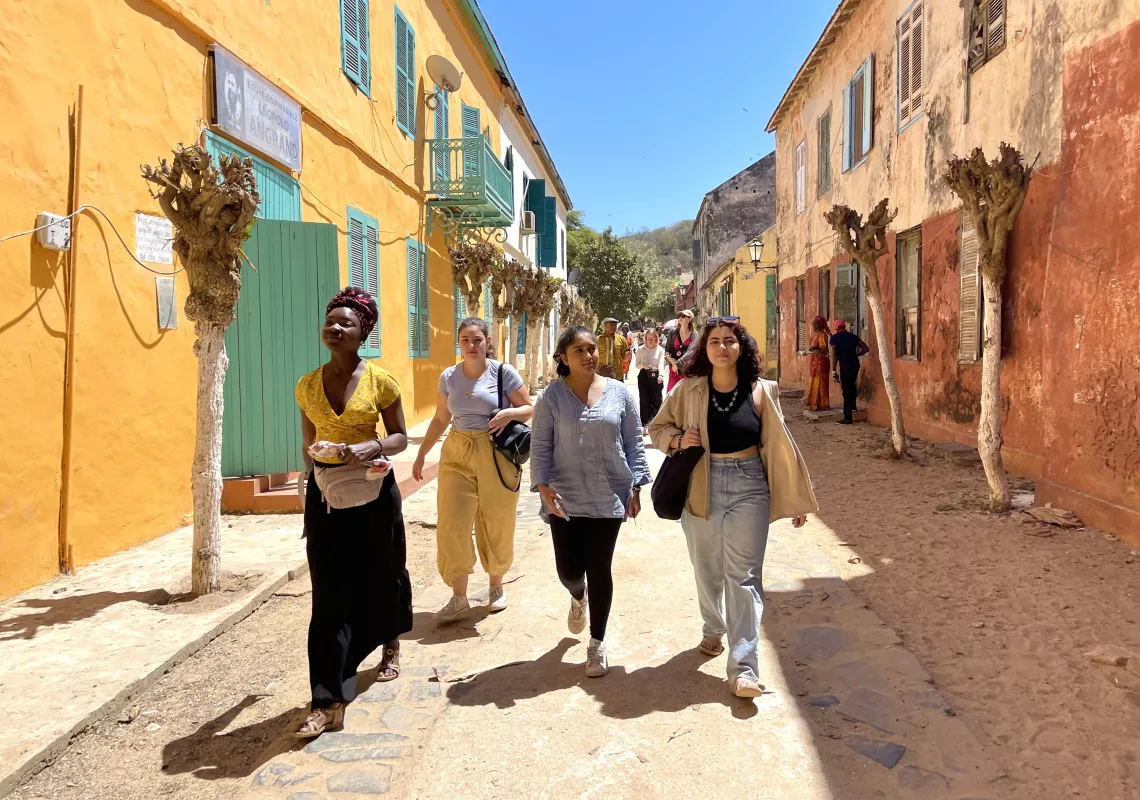
360°: African Traditions
Students will explore the ways in which African societies are trying to overcome colonial legacies, promote well-being, and contribute to fashioning our interconnected world.
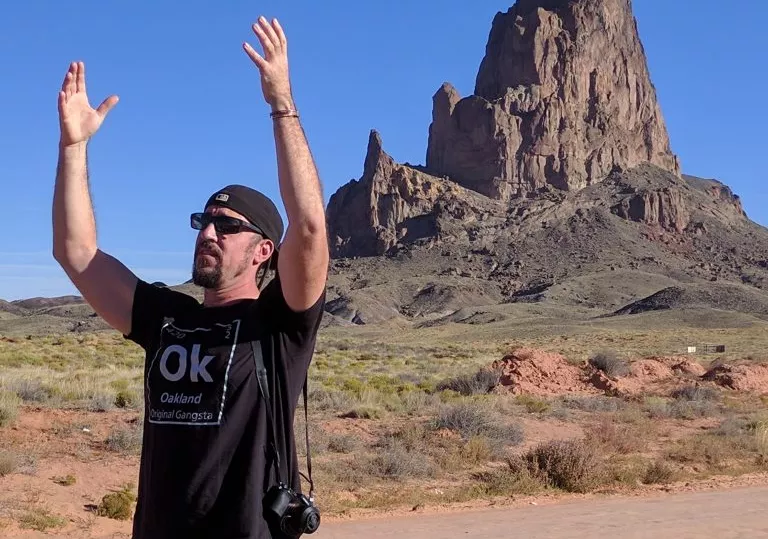
360°: Origin Stories
This year-long cluster explores the intersections of scientific, philosophic and humanistic ways of thinking about, writing about, and visually representing ways we look at origin stories.
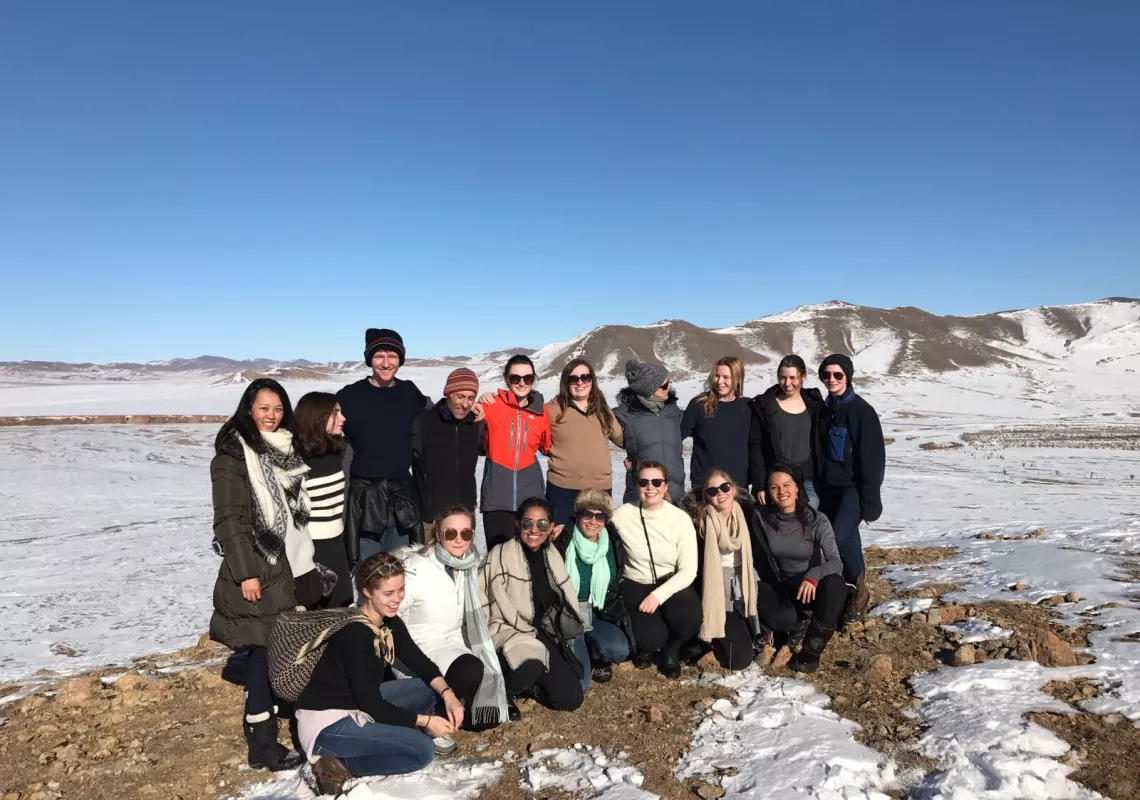
360°: Eurasia in Flux: Trans-Siberian Perspectives on Russia and China
This 360° cluster focuses on the unique ties between Russia and its largest neighbor to the East, China.
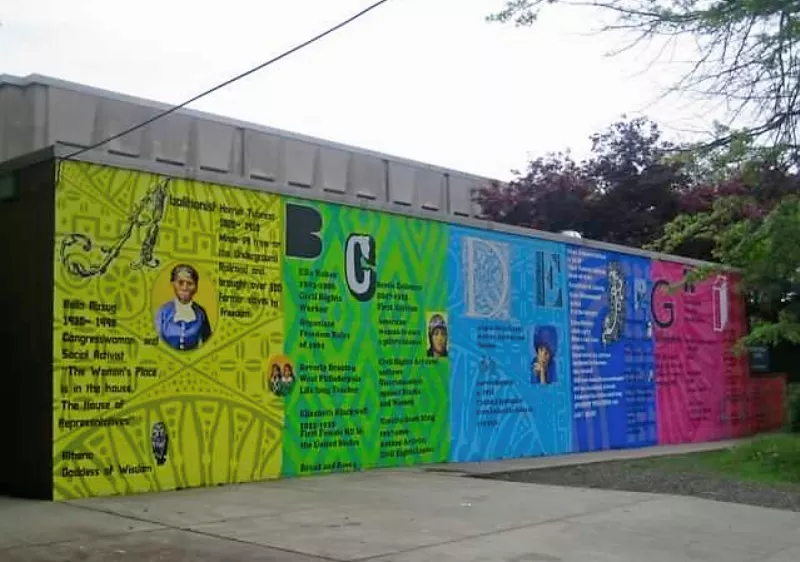
360°: Changing Education
Changing Education, the first 360° offering at Bryn Mawr, is inspired by the College's 125th anniversary in 2010-11.
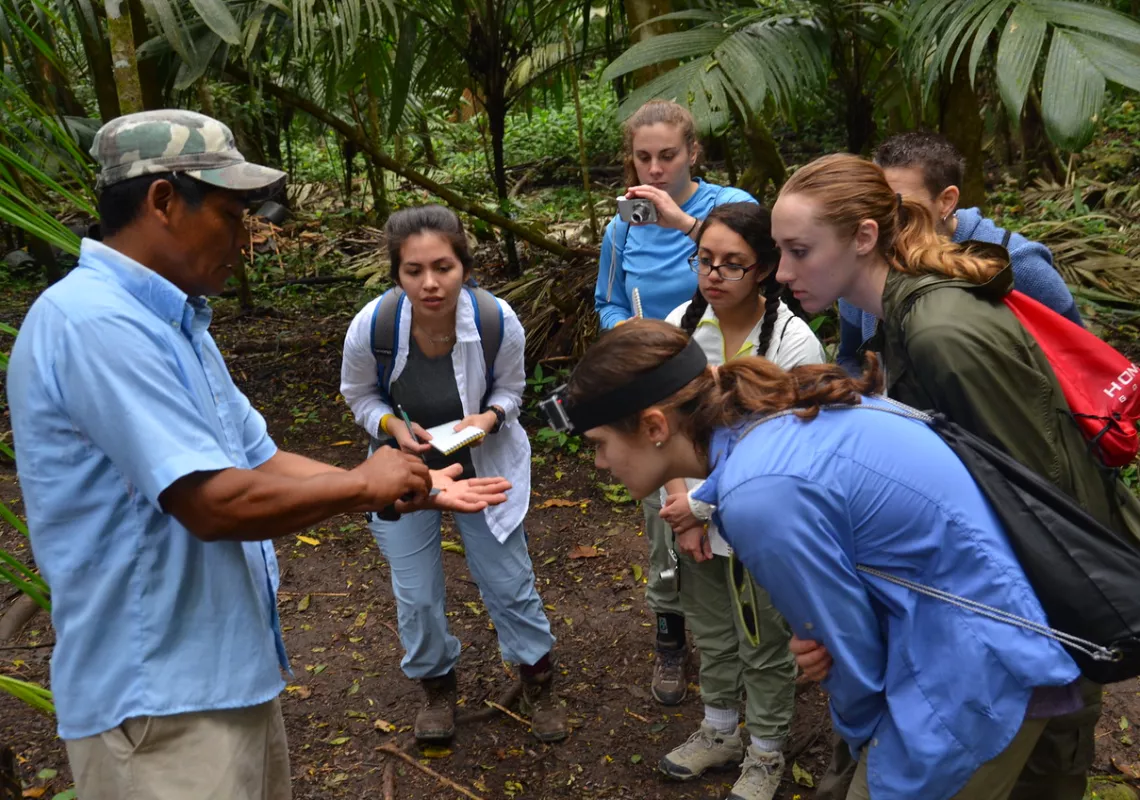
360°: Temperate and Tropical Coasts in Transition
Coastlines, by definition transitional environments, are naturally dynamic and resilient. But climate change, sea level rise and shifting species distributions are now causing rapid physical and ecological changes to the world’s coasts. Anticipating and addressing these changes requires understanding the physical, chemical and biological processes that interact at the land-sea boundary. (Taught 2014-15; 2017; 2020; 2024)
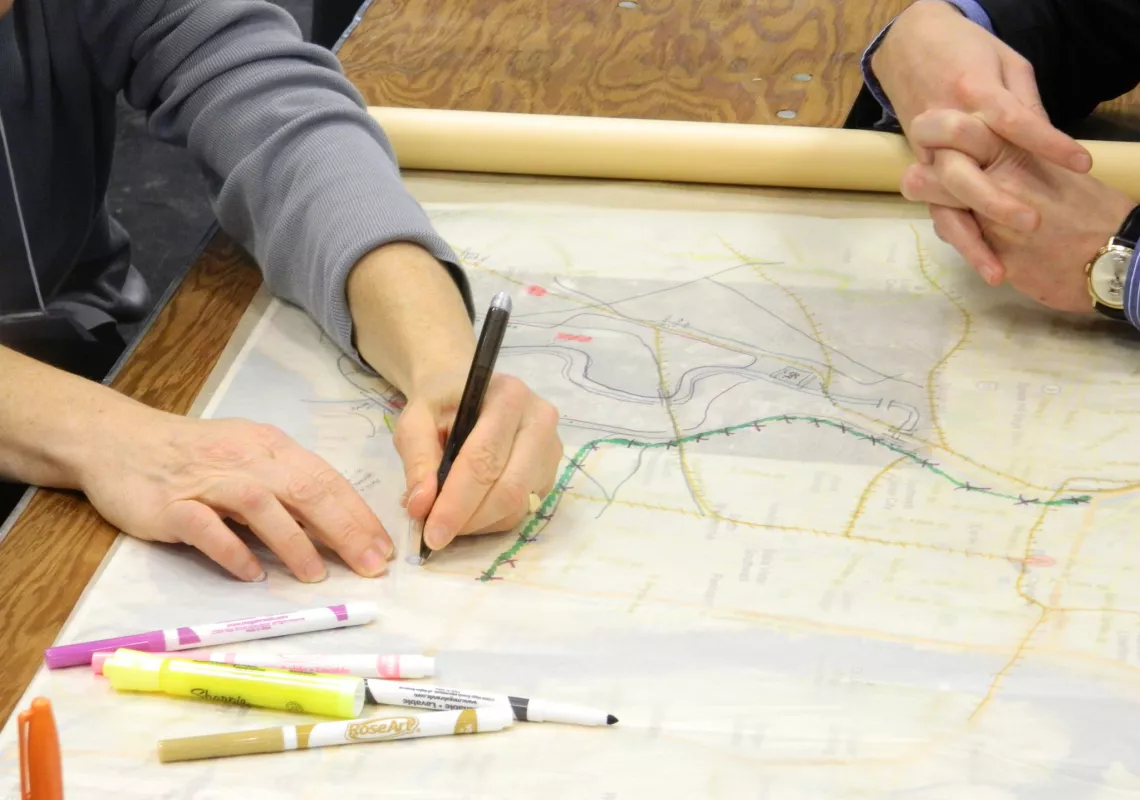
360° Symposium: Flourishing Beyond the Legacy of Oil
The symposium brought together students, academics, government, legal, and planning representatives, and industry professionals, to talk about the future of cities like Philadelphia, as they deal with the transforming influence of oil and other energy sources.
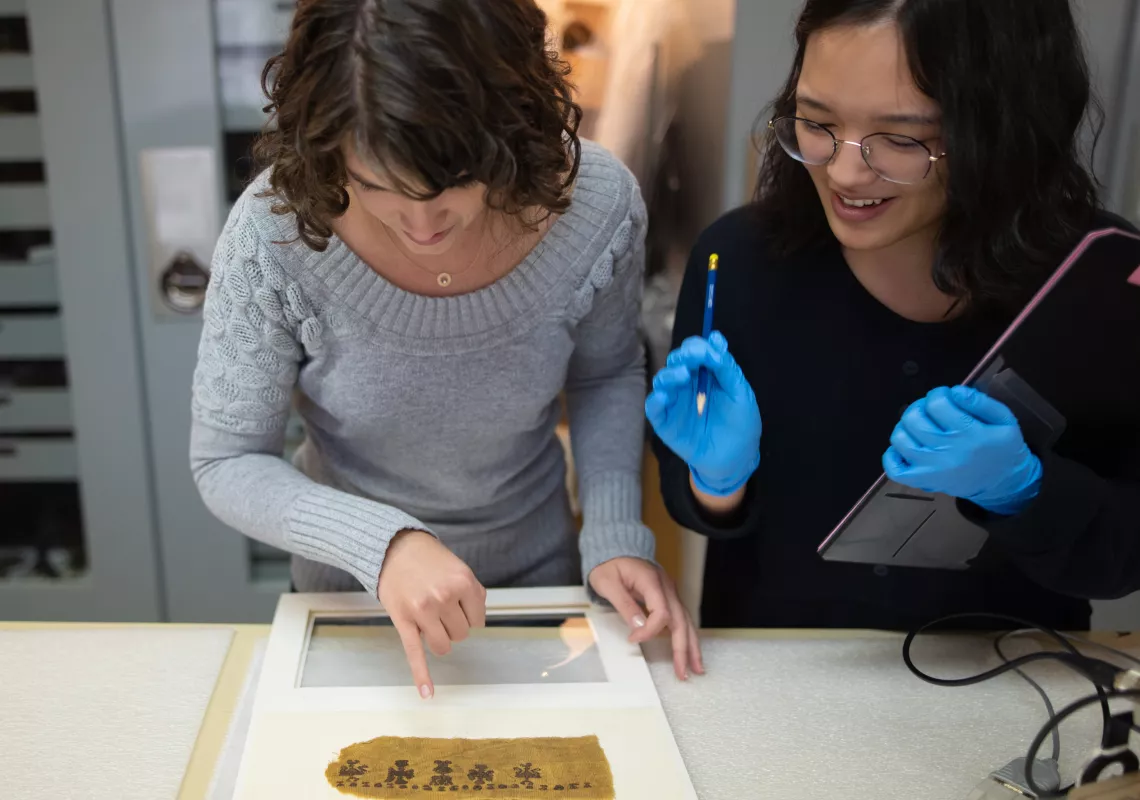
A Closer Look at 360° Course Clusters
Pictured: Students in the 360°: Textiles in Context, which provided a multidisciplinary approach to the technical analysis, historical interpretation, and museum display of early Byzantine textiles.